In A Tree Haven
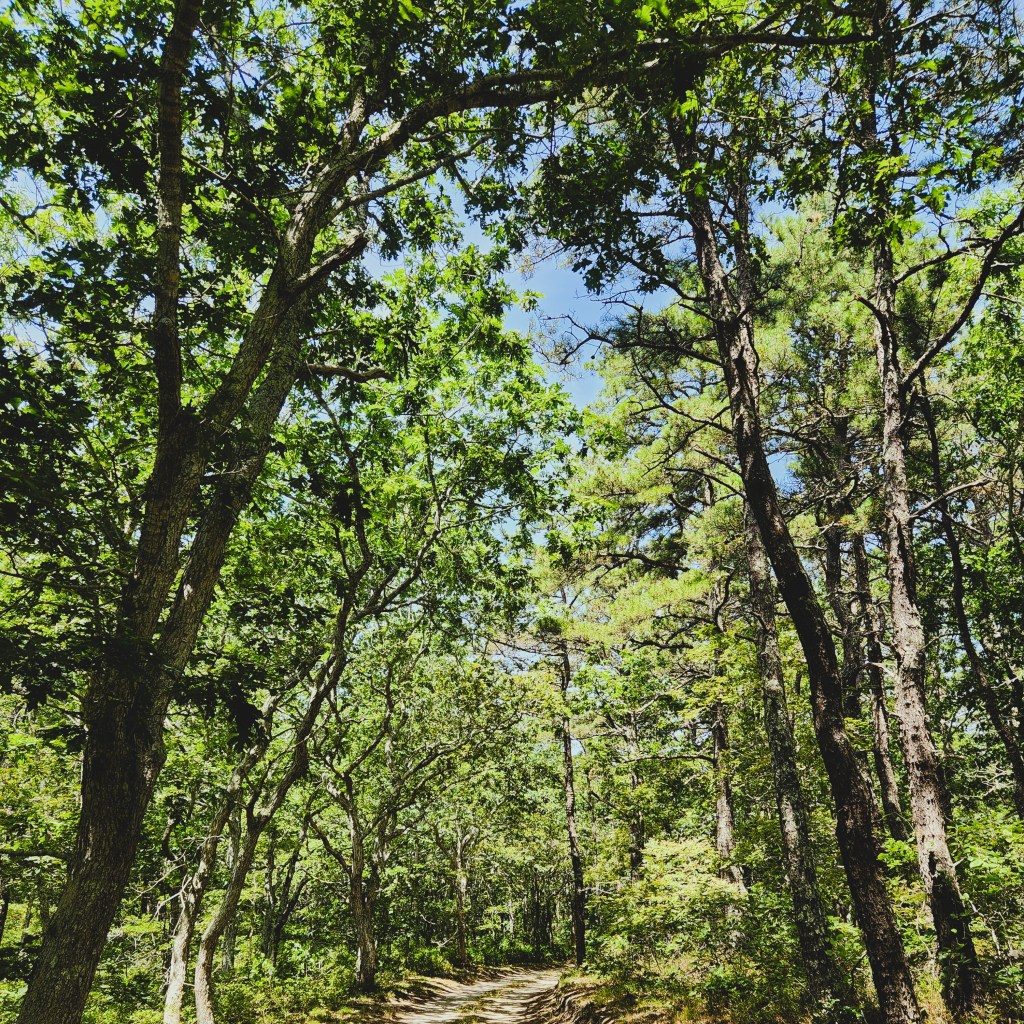
How many tree species can you identify when meandering a backroad? Which ones smell like a summer memory, and which canopies flood you with nostalgia? Everyone has a story where the tree is the main character, or at least plays a strong supporting role. It’s because of just that that I think it’s appropriate to give the woodland giants a little intentional appreciation, which starts by acknowledging one’s favorite tree species.
For me, flowering trees, like the Pink Magnolia (Magnolia liliiflora), always seem Godsent by the time they bloom in early spring, marvelously vowing that winter is no more. Pungent spruce trees, such as White Spruce (Picea glauca), consistently bring me back to long hikes in New Hampshire’s White Mountains, resurrecting a treasured sense of being in pure wilderness areas (or Christmas mornings from the past!). I have also always had a soft spot for the unique, almost tropical foliage of Staghorn Sumac (Rhus typhina), a tree with obscure edible berry clusters and holds a significant value in native cultures, too.
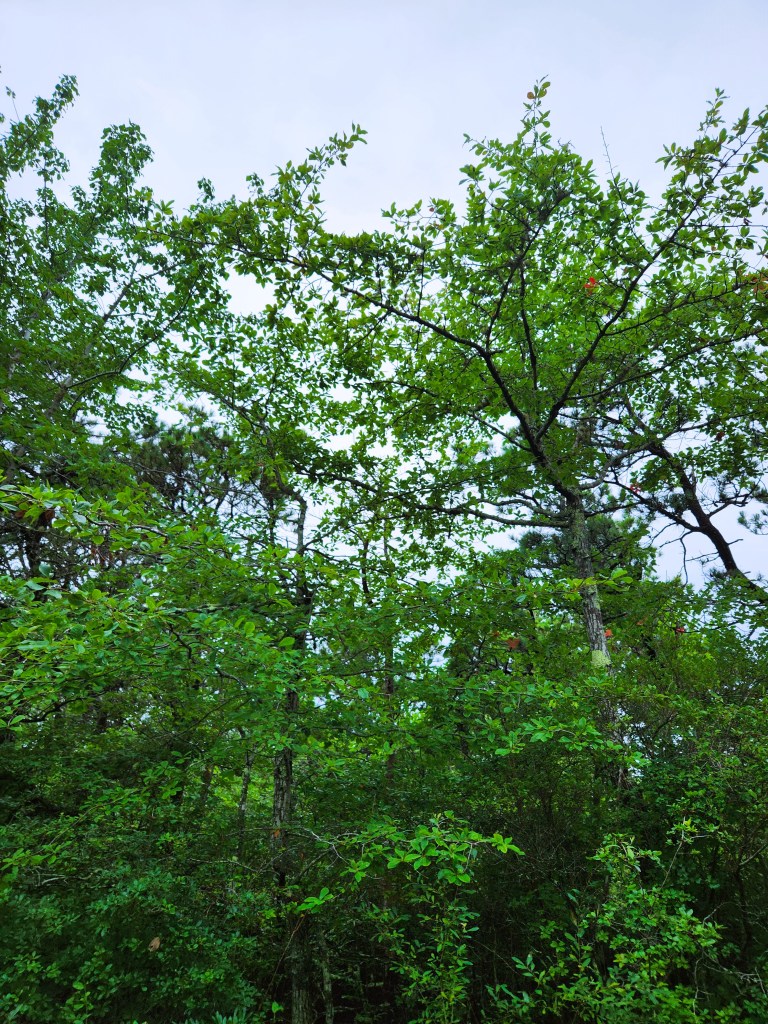
One of my favorite trees has consistently been the Black Tupelo (Nyssa sylcatica).
Simply put, tupelos have it all: elegantly subtle spring flowers that produce a distinct foliage which becomes a brilliant scarlet in autumn. Younger specimens have a deep, almost green bark with dark linear scarring which, over time, turns into dramatic furrows and scales.
Mature trunks grow straight and strong, making their dark wood wonderful options for fine carpentry and flooring.
Tupelos are typically found around wetland areas and vernal ponds; landscapes which, I find, add to their brilliance.
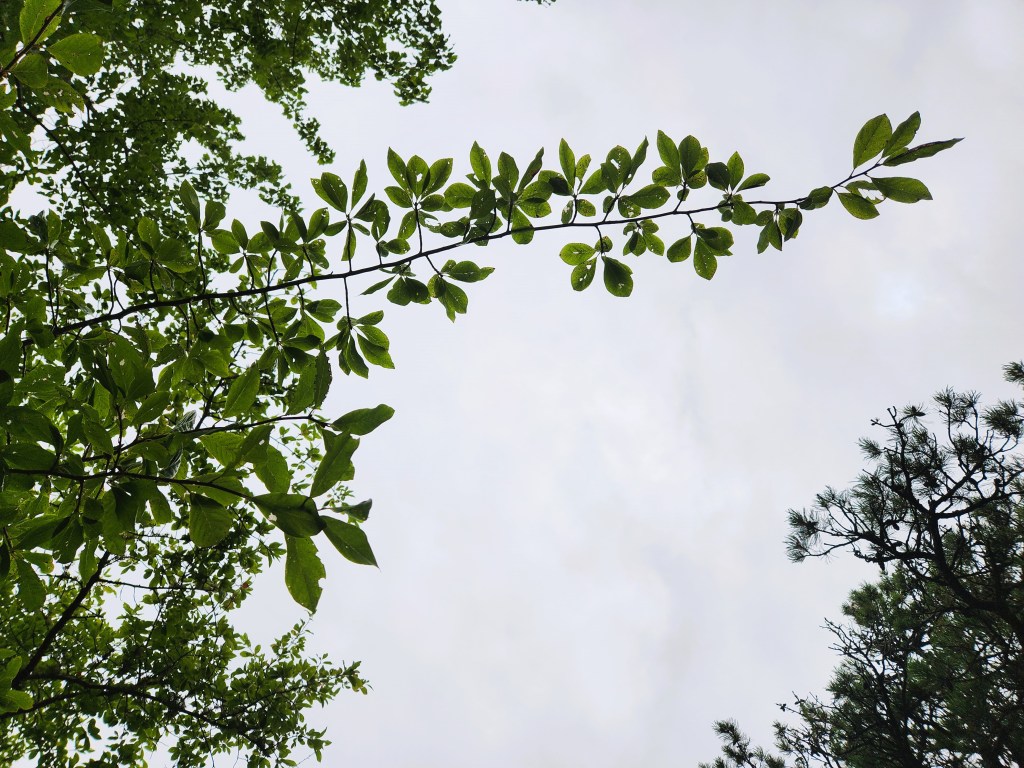
Beyond the aesthetics of this wonderful tree, Black Tupelos give a distinct flavor to local honey when their flowers are pollinated (anyone remember Van Morrison’s big hit?) and have edible fruits that ripen in the fall. Most natural honeys have excellent health benefits, and tupelo honey is right up there with its reputation for clearing skin, boosting immunity, and being a significant source of antioxidants. The honey has balanced notes of floral spice and is a staple kitchen accessory in the southeast. Their dark blueish-purple fruits can be eaten raw (sweet and semi-bitter) or used culinarily as one would other berries, that is, you can use them in anything from smoothies to pies to (I have not tried this recipe but… apparently!) tupelo whipped butter.
What is Your FavoRITE Tree?
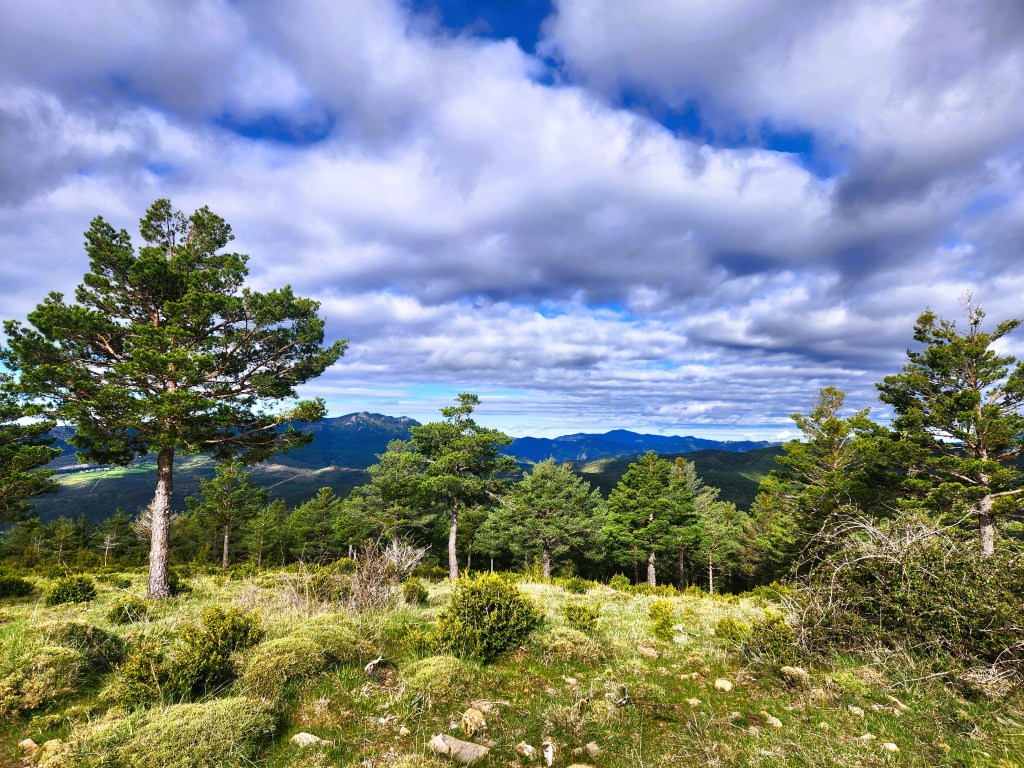
To find your favorite tree, start by walking around some of your favorite places with a journal and an ID app, and write which species trigger certain emotions and images. What tree leaf is the most intriguing, which flower is the most eye-catching? Do a little research into whether or not it has any medicinal or historical significance. Is it native? If not, how did it get to where you’re admiring it? In any case, enjoy getting to know the creatures that define the world around you.
 Glamping Queen