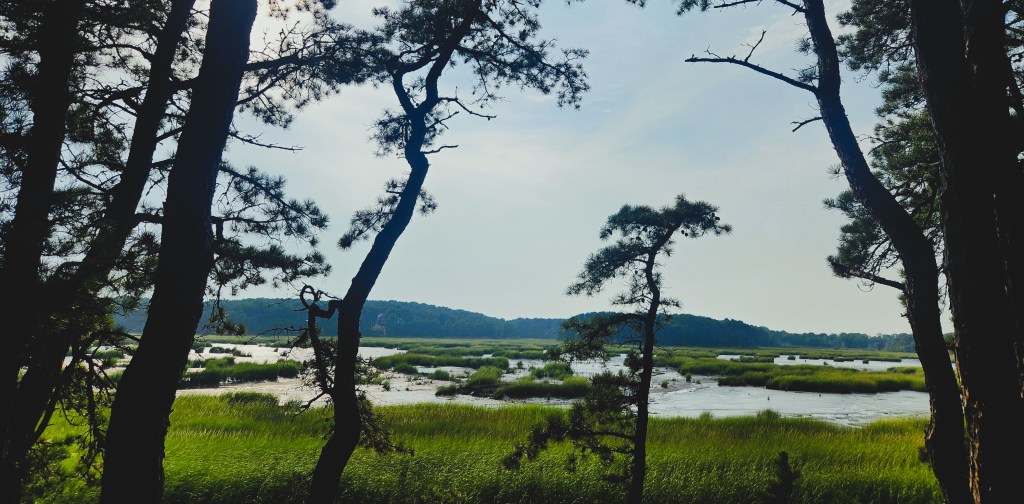
Who doesn’t love early August? Summer is in full swing, which means local flora is flourishing, creating a classic symphony of texture, color, and smell. It’s easy to bask in the beauty of a shining marsh, a lone pond, a wide meadow, and for me, it’s easy to want to bring the view home. Societies have been trying to bring the essence of nature inside their homes for… forever. Some of the most esteemed art portray life amongst the untamed world, vast mountain ranges and seascapes line the walls of castles, lodges, hotels, and, I bet, you can find one or two in your own house, too.
What draws us to behold the glory of the great outdoors is likely a blend of primal yada-yada and how our eyes and mind recognize beauty. And, although I would love to hear your thoughts on what ingrained inspiration moves us to surround ourselves with wildness, this post is intended to give a little more dimension in how you can do exactly that, by building bouquets.
wander.
A wild bouquet should start with a walk, or better yet, a wander through nature.
Allow your environment to be the inspiration.
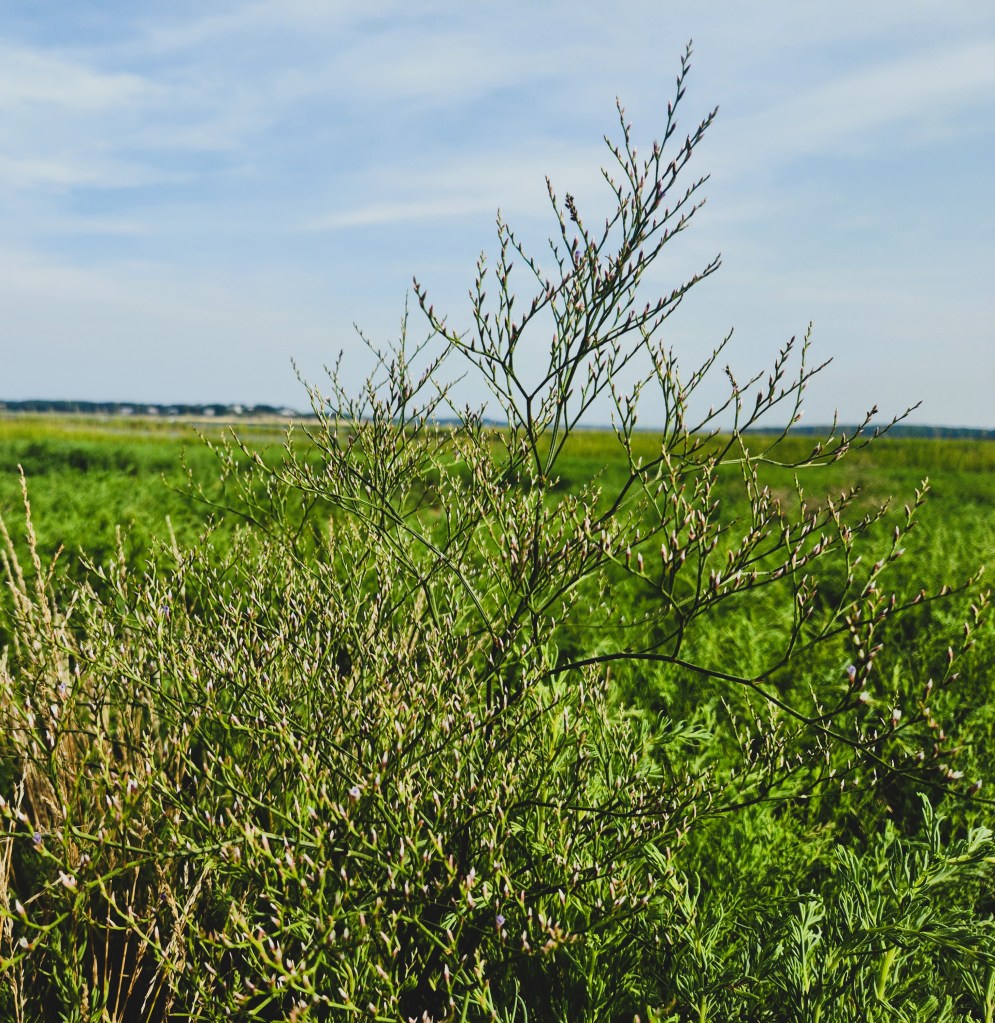
Notice the inherently complementary aspects of the landscape; how spreading groundcover tucks perfectly into the understory; the way a subtle flower may appear to be on the same color spectrum as the grass surrounding it. Focus on the bigger picture first, and then note the smaller details that build it.
Now think about why these colors, textures, etc. are attractive to you. Although this part doesn’t have to be too complicated, understanding how your eye sees beauty will translate to a more accurate representation of the landscape that inspired your bouquet in the first place. A helpful way to start using your eye could be to cut sections of the plants you’re thinking of arranging and making miniature versions. This is a great way to get an idea of what looks good together and what might take away from the end result.
cut.
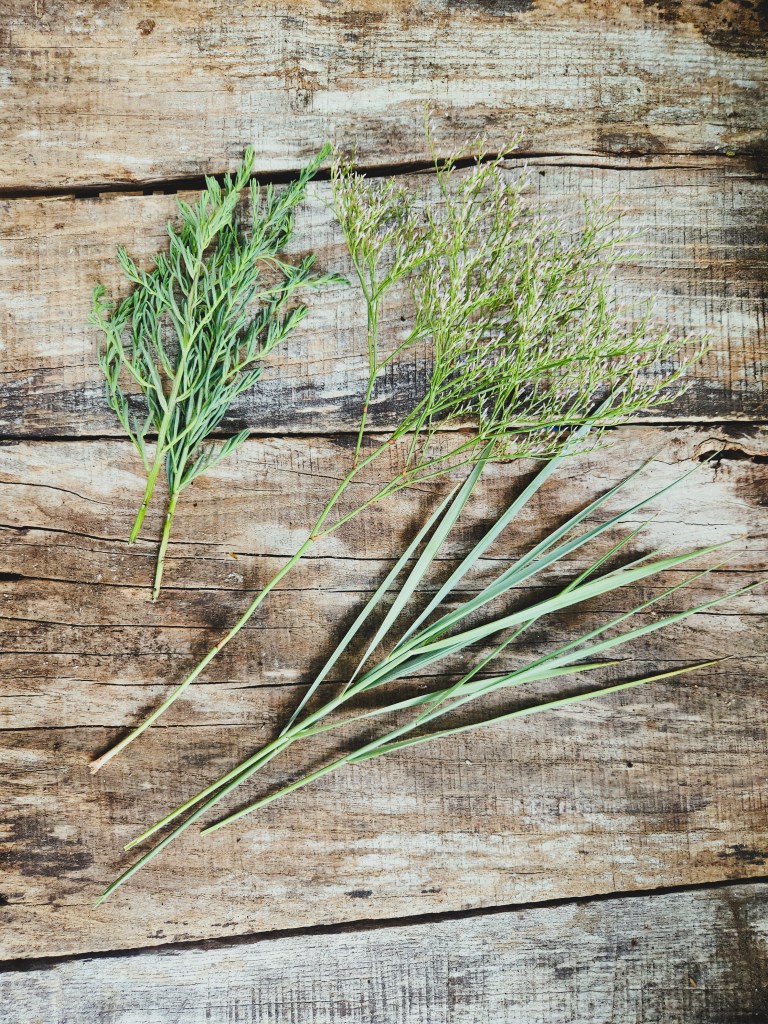
When cutting the plants, try to get full specimens that have grown in an upright position. Uneven lighting can cause legginess, diminished color, and straight up wacky shapes, and can make them hard to work with later.
Only cut what you need, being subtle in where you take the plants from as to preserve the landscape for other people to admire. Cut from the basil growth (significant cluster of foliage) or at a point where new growth has split (and can flourish after the cut). Make clean cuts, which reduces the plant’s change of infection and keeps the specimen’s integrity.
The next stage of the wild bouquet is similar to the process by which you would build one with proper cut flowers. Trim leaves and flowerets from the stalk to the point that will be exposed above the lip of the vase. This allows the remaining energy in the plant to move towards the showy parts only and reduces the chance for mold to grow within the vase.
arrange.
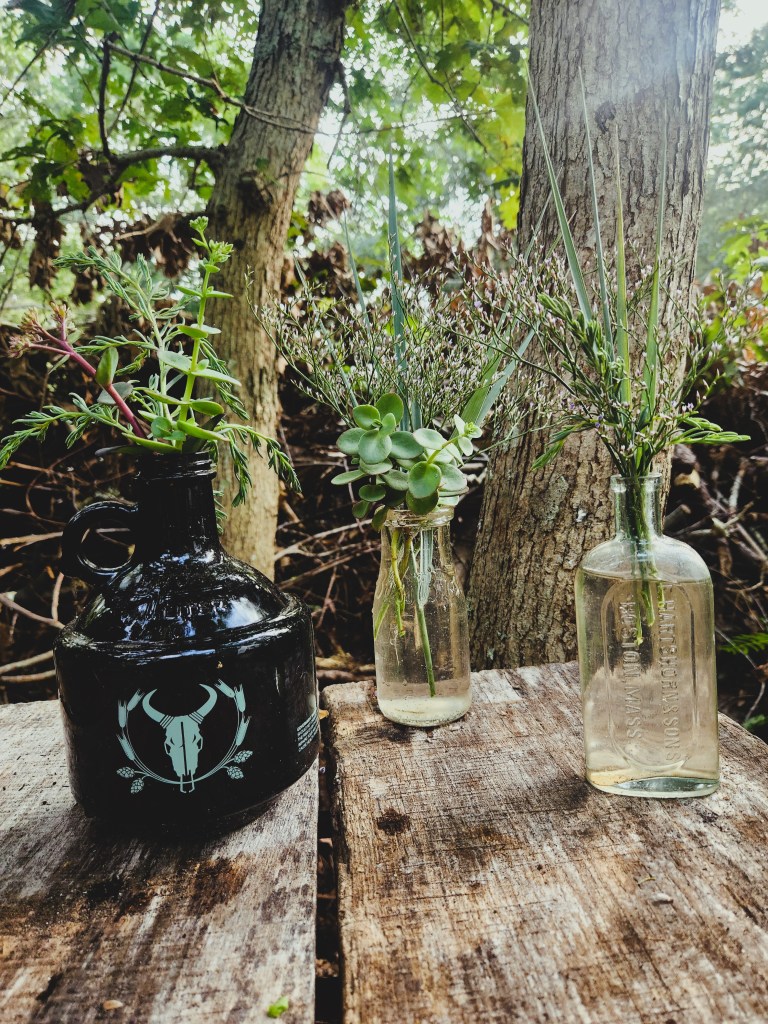
Arrange the flowers in the vase as you wish, beginning with larger focal pieces and adding greenery and smaller “filler” pieces after.
Although with wild bouquets it’s not necessary to cut even stalk length, it makes for a formal, finished look. Furthermore, you can dip the fresh stalks in boiling water, to perk the cells up and prevent wilting, but adding amendments to the water is not essential this circumstance, as it typically is in traditional bouquet etiquette.
Et, voi-la! You have brought your backyard (or favorite hike or kayak) home in a new way. Enjoy the journey of the wild bouquet, and all of the symbolic significance it radiates when you admire it.
 Glamping Queen