Of the thousands of herb varieties (or millions?! I’m not up to date on that number), thyme has to be one of the most versatile of the bunch. Of course, you can cook with it, bake with it, thyme makes a subtly beautiful culinary garnish, I even recently made a thyme-lavender vodka infusion (see below) that makes an out-of-this-world-yummy cocktail… but what sets thyme at a different level of herbaceous wonder is that is has much more to offer than just what’s happening in the kitchen.

Different thyme varieties can range in size from miniscule leaves and miniature flowers to full on shrubs. Their growth patterns vary too, and although they all will spread if properly cared for, some are more likely to spread, and others gain in height.
Wooly thyme is an absolute classic cultivar for adding interest to patios and garden borders. It grows slowly, but is a great way to bring color, texture, and reduce weeds in rocky, hard to plant areas.
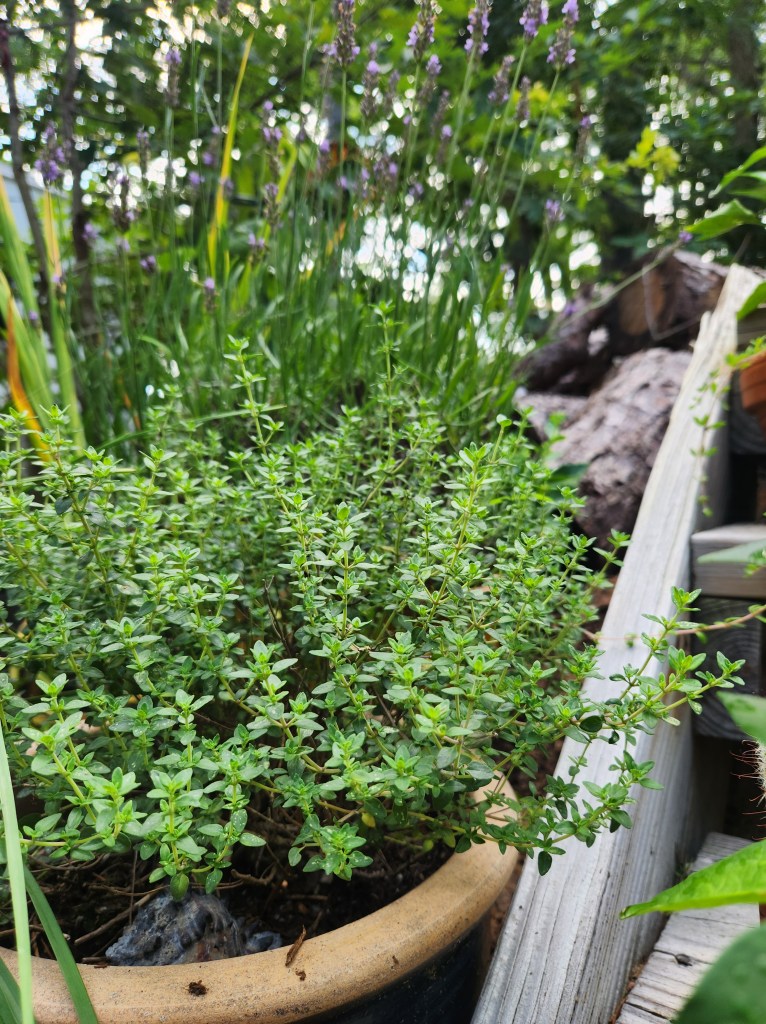
English and French thyme varieties are the ones you would typically cook with. Their small leave clusters and understated flower bring a unique texture (and smell!) to any garden or potted arrangement. Although these cultivars are obviously hold a presence to an herb garden, they also have played a sweet role in many cottage, wild, and contemporary gardenscapes.
Depending on the variety, thyme does well in most grow zones. If you live in a tremendously cold climate, you can protect hardier plants by mulching and/or covering them with burlap. If you want thyme in a more arid or super hot region, focus on planting them in partial shade and remember to water!
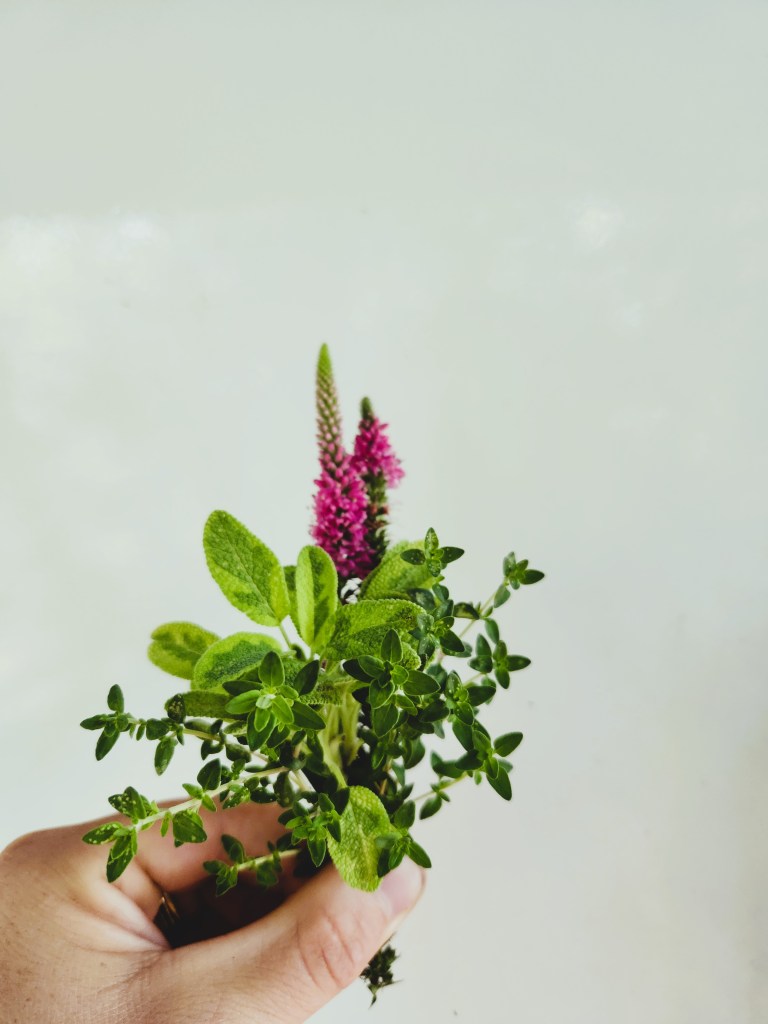
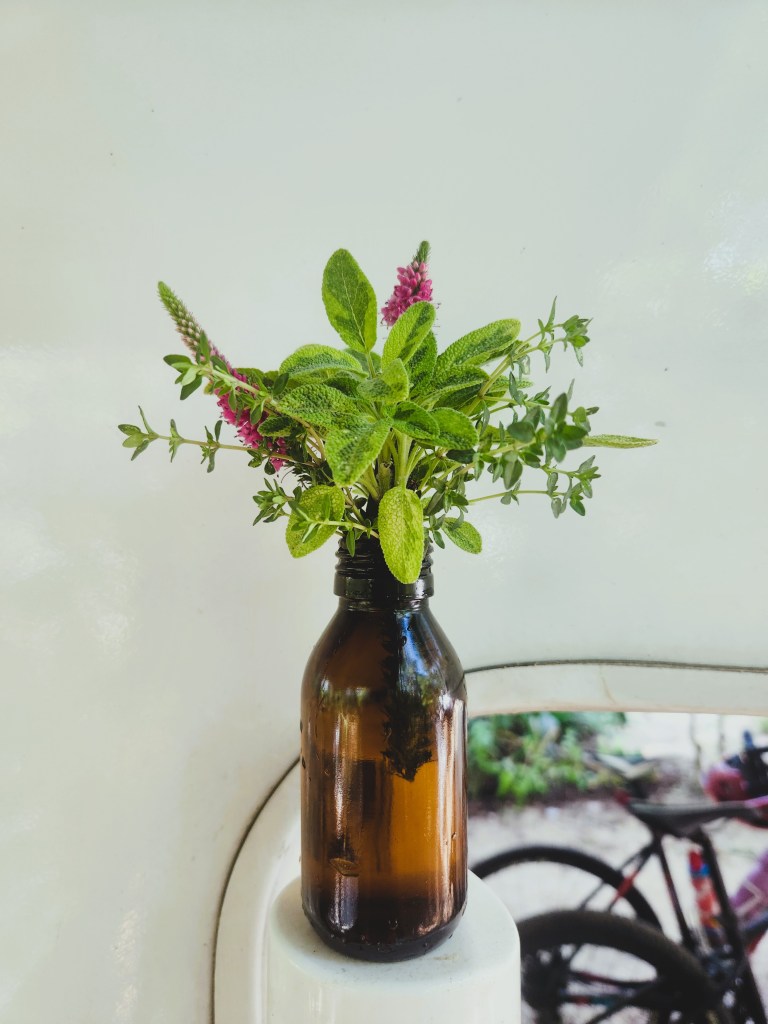
Herbs in general are a cool thing to incorporate into a bouquet, they tend to have an original texture and their scent adds a distinctive dynamic to the overall piece. Culinary thyme tends to grow large enough that you can cut larger clumps for grander bouquets. They look amazing with speedwell (pink flower in example above), Japanese anemone, and daises (just to name a few).
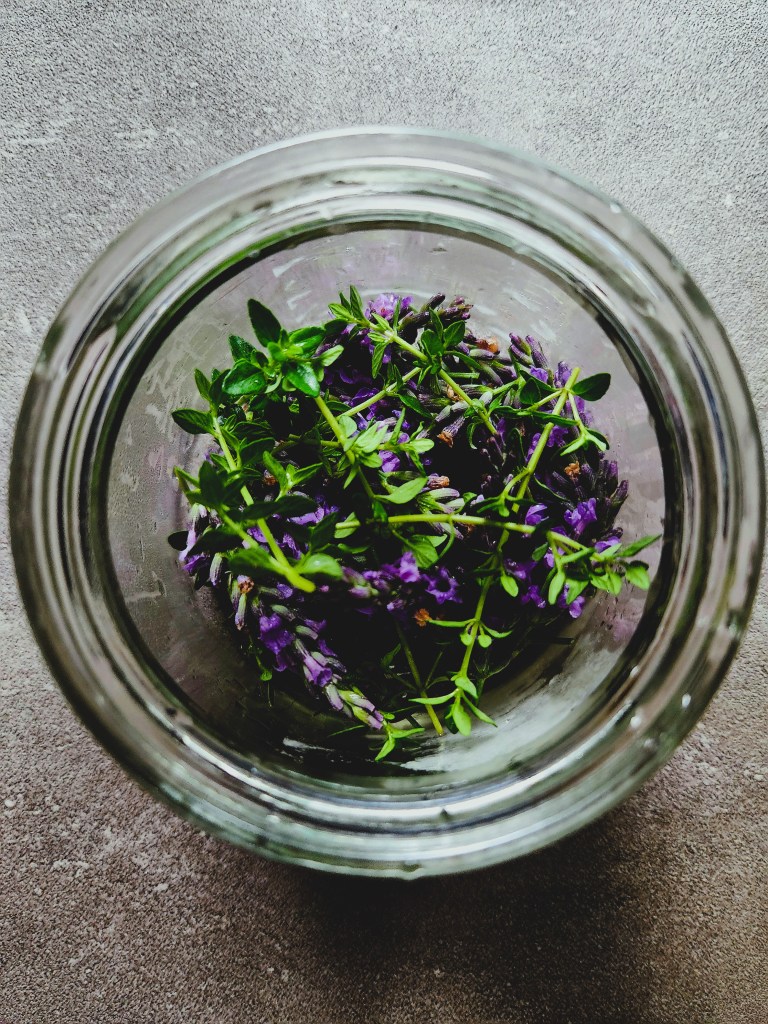
And, as promised, cocktail hour!
Thyme can be added to many mixed drinks, from the classic gin and tonic to martinis or margaritas.
What’s fun about infusing booze yourself rather than buying it at a store, is that not only do you get a yummy treat at the end, but you also get to play scientist (or at least mixologist) for a few days. And I have to admit, it’s a big of a bragging right to tell you friends after their first sip “Oh yeah, I made the [insert alcohol base here] with thyme from my garden (or local flowers, seasonal fruit, etc. etc. etc.).
Here’s a really easy lavender-thyme vodka recipe, from infusion to the last sip!
INGREDIENTS:
- Small handful of English or French thyme
- Smaller handful lavender
- Small mason jar of your favorite vodka (about 8 fluid ounces)
INSTRUCTIONS:
Wash and destalk herbs before combining with vodka. Let sit covered in a cool place for two days. Strain herb leaves and enjoy.
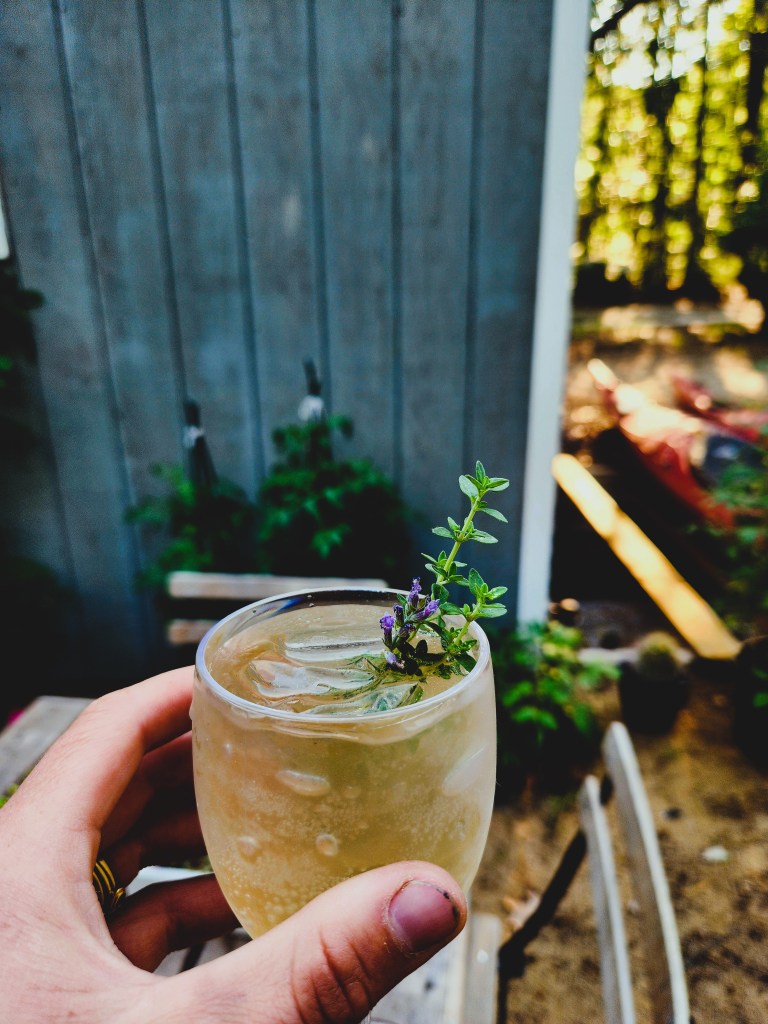
THYME-LAVENDER DRINKY-POO:
Pour one liquor pourer (roughly 1oz) over ice. Add your sparkling lemonade to your liking (or roughly 0.5-1oz). Top with prosecco or club soda and garnish with thyme and lavender flowers. ❤
 Glamping Queen