
surround yourself with awe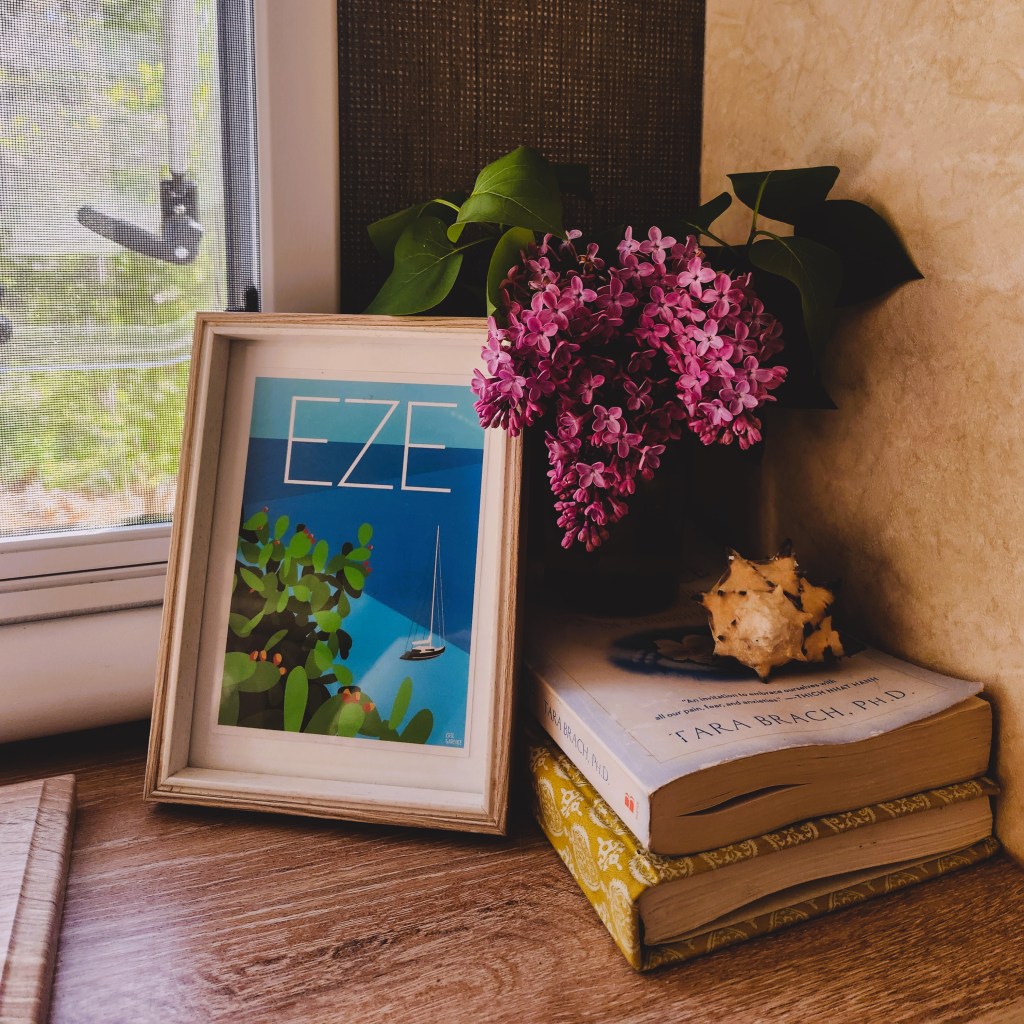
Tablescapes are like bonsai, but instead of creating a pocket-sized environment, you're creating a bubble of personality with aesthetic interest. Big or small, the elements for transforming a surface into a feature are pretty simple:
space | height | color
+ relevance
Space | What are we working with here? Kitchen table? Mantel? Is it a purely decorative space, or are you going to be putting your drink there later? The space you’re working with dictates what size of an overall presentation you are going to end up with, as well as what pieces you should incorporate into your little scape.
Height | This dovetails space, but the physical size of the whole presentation is independently important; putting a skyscraper in a cottage-sized lot would be… silly, and the same idea applies here.
- Dimensional mediums, like a table away from walls, tend to be pretty natural (think the bouquet in the center of your grandma’s kitchen table). The tallest pieces will be in the center of the scape, surrounded by gradually smaller pieces, think cascading waterfall rather than Christmas tree. Working with a variety of heights and sizes add interest, which is pretty much the whole point of creating these.
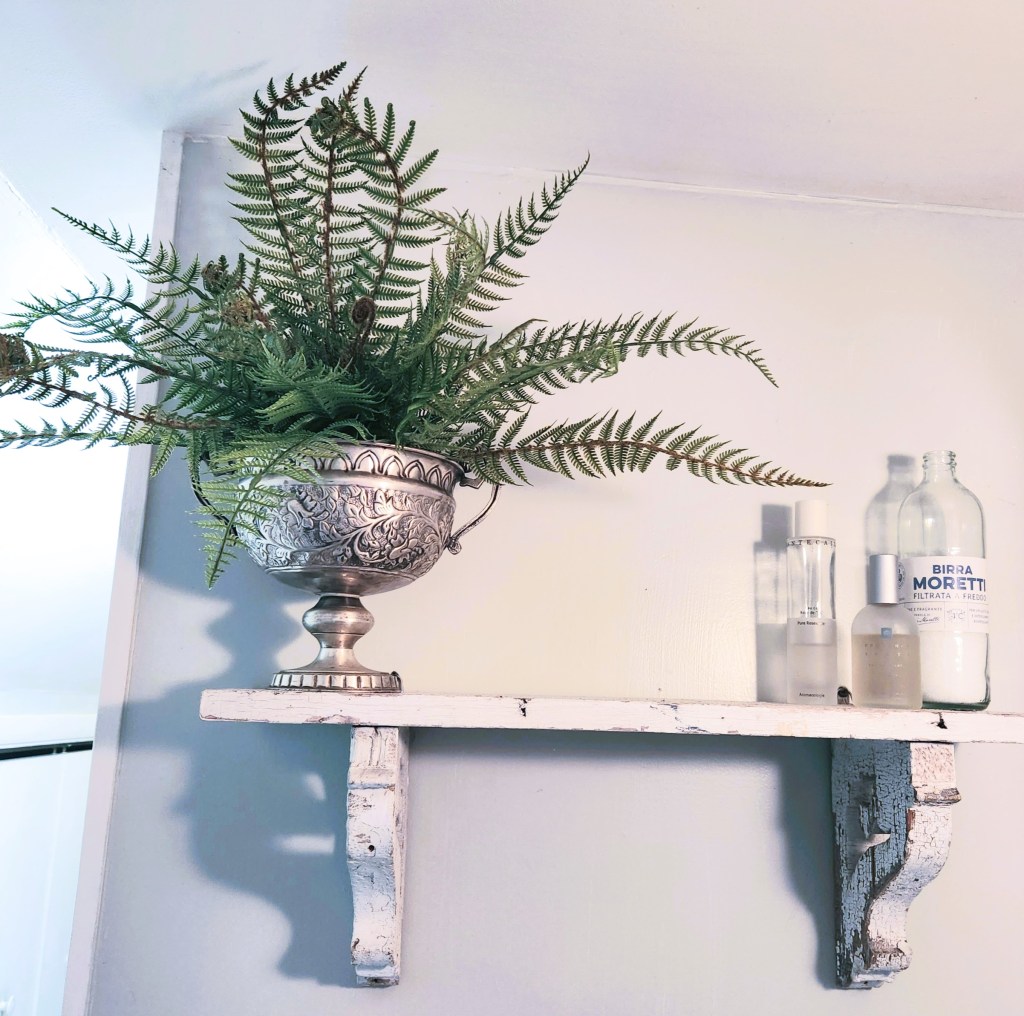
- When working with a flatter surface, like a mantel or desk, you can choose to spread pieces throughout the entire aspect that makes contact with the wall. As opposed to working center out, you can balance either side of the surface with smaller, complementary tidbits. You can, of course, work center-out as well, but consider making more of a mountain range than a lone peak when working with individual sizes.
Color | The secret to choosing a color scheme that doesn’t automatically look out of place is work with the natural lighting. If it’s darker, work with darker, if it’s lighter, work with lighter. There are exceptions, obviously, we’re just working with home decor after all, but in general, if you use a color pallet that emphasizes what you already have, it will often result in a much more mature and impressive outcome than trying to brighten up a dark corner. The same goes for sunny spots, using lighter wood and more vibrant colors will make the area look lighter.
Complementary coloring is a whole industry, and if you’re really in a pickle as to what pink goes with what green and how to put white in there and oh my god do I need more black?!… you can calm down and google search color pallets. The biggest thing is light and what else you have going on in that room, like wall color, fabrics, etc. etc. etc. (You can also always send pictures here if you want advice)

Relevance | This one is sort of like the 4th dimension of table-scaping. Making an arrangement that accentuates the overall context really takes it to a unique and grandiose scale. You can do this by going back to the space concept, with the consideration for things like mood, occasion, personality, season, etc. I’m a nature girl, so I typically bring seasonal greenery and flowers into the mix. This subtly connects the space with what’s going on outside and creates a repetitive comfort for your guest who just walked past X-plant on their way in and then are delighted to see it featured by your sink. Bringing fragrance (lean towards sachets, diffusers, and flowers and avoid perfumes) can bring a new level of engagement, as can food (unless you’re having a party, I’d suggest keeping food in the kitchen and maaaaaaaaaaaybe a family room).
The 4D experience here has everything to do with intention, creativity, and thoughtfulness- really elevating your living environment to a custom harbor for whatever emotion you’re trying to evoke.
A few extra tips...* if it looks off, it is.* try not to overthink it, unless someone's paying you the big bucks* be yourself! anyone can buy an attractive setup at target or ikea, but
by far the best tablescapes are made with the unique touches that only you can create.  Glamping Queen